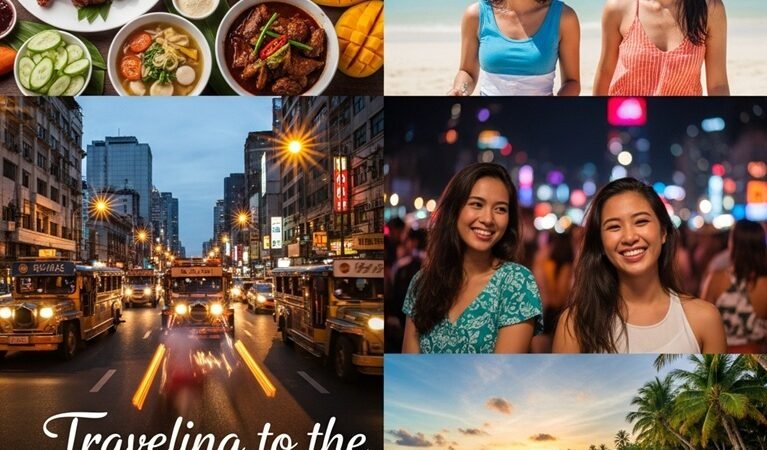
If you’ve been scrolling through Instagram, drooling over turquoise waters and limestone cliffs, chances are you’ve stumbled across the Philippines. But this Southeast Asian archipelago of over 7,000 islands offers so much more than just picture-perfect beaches. From mouthwatering cuisine to warm-hearted locals, affordable adventures to vibrant cities, the Philippines deserves a spot at the top of your travel bucket list.
Why the Philippines Should Be Your Next Destination
The Philippines is one of those rare places that truly has it all. Whether you’re a beach bum, foodie, adventure junkie, or culture enthusiast, this tropical nation delivers. The sheer diversity of experiences across its thousands of islands means you could visit multiple times and still discover something new.
The country boasts some of the world’s most stunning natural landscapes—think pristine white-sand beaches, world-class dive sites, ancient rice terraces, and active volcanoes. But beyond the scenery, it’s the genuine warmth of the Filipino people that transforms a good trip into an unforgettable one.
Your Budget in the Philippines: Affordable Paradise
Here’s the best part: the Philippines is incredibly budget-friendly, especially compared to Western countries and even some neighboring Asian destinations.
Daily Budget Breakdown:
- Budget Traveler: $25-40 per day (hostels, street food, local transportation)
- Mid-Range Traveler: $50-80 per day (comfortable hotels, restaurant meals, occasional tours)
- Luxury Traveler: $100+ per day (upscale resorts, fine dining, private tours)
Your money stretches far here. A filling meal at a local eatery costs just $2-4, while a beer runs about $1-2. Accommodation ranges from $10 budget hostels to $30-50 mid-range hotels with excellent amenities. Island-hopping tours, one of the Philippines’ biggest draws, typically cost $15-30 per person.
Domestic flights between islands are also surprisingly affordable, often running $30-60 one-way, making it easy to explore multiple destinations without breaking the bank.
Filipino Food: A Culinary Adventure
Filipino cuisine is an underrated gem that blends indigenous, Spanish, Chinese, and American influences into something completely unique. The food here is bold, comforting, and always meant to be shared.
Must-try dishes include:
- Adobo: The unofficial national dish—chicken or pork braised in vinegar, soy sauce, and garlic
- Sinigang: A sour tamarind-based soup that’s simultaneously tangy and comforting
- Lechon: Whole roasted pig with impossibly crispy skin
- Sisig: Sizzling pork served on a hot plate, perfect with an ice-cold beer
- Halo-Halo: A refreshing dessert of shaved ice, sweet beans, fruit, and ice cream
Street food culture thrives here too. Try balut (fertilized duck egg) if you’re feeling adventurous, or stick with safer bets like fish balls, kwek-kwek (battered quail eggs), or banana cue (fried banana skewers).
Filipino breakfast deserves special mention—expect garlic fried rice, eggs, and your choice of protein like marinated beef (tapa), cured pork (tocino), or dried fish. It’s hearty, flavorful, and the perfect fuel for a day of exploring.
Safety and Infrastructure: What to Expect
The Philippines is generally safe for travelers, though like anywhere, you should exercise common sense. Most tourist areas are well-patrolled and locals look out for visitors. Petty theft can occur in crowded areas, so keep valuables secure and stay aware of your surroundings.
Some regions, particularly parts of Mindanao, have travel advisories due to political unrest, but popular tourist destinations like Manila, Cebu, Palawan, Boracay, and Siargao are perfectly safe.
Infrastructure Reality Check:
The infrastructure varies significantly. Major cities have modern facilities, shopping malls that rival anything in the West, and reliable internet in most hotels and cafes. However, rural provinces and smaller islands can feel like stepping back in time.
Traffic in Manila is notoriously bad—some of the worst in the world—so build extra time into your plans. Internet can be slow outside cities, and power outages occasionally happen in remote areas. But honestly, these quirks become part of the adventure, and most travelers find the tradeoffs worthwhile.
Public transportation includes jeepneys (colorful local buses), tricycles (motorcycle sidecars), and ride-hailing apps like Grab. Domestic airlines connect major islands, while ferries serve shorter routes.
Best Cities in the Philippines
Manila
The sprawling capital is chaotic, polluted, and traffic-choked—but also vibrant, historic, and full of energy. Don’t skip the Spanish colonial architecture in Intramuros, the bustling markets, and surprisingly excellent restaurant and nightlife scenes.
Cebu City
The “Queen City of the South” offers urban sophistication with easy access to beaches and dive sites. It’s more manageable than Manila while still providing modern amenities and a jumping-off point for island adventures.
Davao City
Mindanao’s main city is surprisingly clean and organized, known for strict rules (no smoking in public) and being the gateway to Mount Apo, the Philippines’ highest peak.
Cities vs. Provinces: Two Different Worlds
The contrast between large cities and provinces is dramatic. Cities offer convenience, variety, and infrastructure but can feel overwhelming and lose that “tropical paradise” vibe. Provinces deliver authentic culture, natural beauty, and friendly locals but require patience with basic facilities and slower internet.
Many travelers split their time—starting in cities for orientation and supplies, then heading to provinces for the real Philippines experience. Islands like Palawan, Siargao, and Bohol offer that sweet spot of stunning nature with decent tourist infrastructure.
Why Locals Are So Friendly to Foreigners
Filipino hospitality isn’t a tourism marketing gimmick—it’s genuine. The concept of “pakikisama” (getting along with others) runs deep in the culture. Filipinos take pride in making visitors feel welcome, often going out of their way to help tourists even when there’s nothing in it for them.
The country’s colonial history, particularly with America, created cultural familiarity with Westerners. English is widely spoken (the Philippines is the third-largest English-speaking nation), which helps locals feel comfortable engaging with foreigners.
There’s also economic reality—tourism provides crucial income for many communities, so locals have practical reasons to be welcoming. But spend any time here, and you’ll realize the warmth extends far beyond transactions. Filipinos are genuinely curious about foreign visitors and love to chat, share recommendations, and invite you into their lives.
Why Americans Love Retiring Here
The Philippines has become a retirement haven for thousands of Americans, and it’s easy to see why:
- Low Cost of Living: Retirement dollars stretch 3-4 times further than in the US
- English Language: Communication is easy, making daily life and healthcare navigation simpler
- Special Retirement Visa: The SRRV (Special Resident Retiree’s Visa) offers straightforward residency
- Tropical Climate: Year-round warmth beats cold winters
- Healthcare: Quality medical care at a fraction of US prices
- Cultural Familiarity: American pop culture influence makes adjustment easier
- Strong Expat Communities: Established networks in cities like Dumaguete, Puerto Princesa, and Subic Bay
Many retirees live comfortably on $1,500-2,500 monthly, including rent, food, utilities, and entertainment—unthinkable in most of America.
Cultural Dynamics: Age-Gap Relationships
It’s impossible to discuss the Philippines without addressing a visible reality: relationships between older foreign men and younger Filipina women. This topic deserves nuance.
Economic disparity plays a significant role. Many Filipinas see foreign partners as pathways to better lives for themselves and their families—a practical consideration in a country where poverty affects millions. Cultural factors matter too: Filipinas often value stability and maturity over age, and family-oriented culture encourages relationships that provide security.
That said, generalizations don’t tell individual stories. Genuine love crosses borders and age gaps everywhere. While some relationships involve exploitation, many are legitimate partnerships based on mutual care and respect.
The key for travelers is simple respect—don’t treat the Philippines as a dating catalogue, and recognize that any relationship involves real people with agency, not stereotypes.
Beyond the Highlights: More Reasons to Visit
Adventure Sports: World-class surfing in Siargao, diving in Coron and Apo Island, canyoneering in Cebu, and climbing Mount Pulag
Island Hopping: Bacuit Archipelago, Hundred Islands, and countless unnamed beaches accessible only by boat
Cultural Festivals: Sinulog in Cebu, Ati-Atihan in Kalibo, and countless local fiestas celebrating patron saints
Historical Sites: Spanish churches, WWII memorials, and ancient rice terraces in Banaue
Nightlife: From rooftop bars in Manila to beach parties in Boracay
Wildlife: Whale sharks in Oslob (though ethical concerns exist), tarsiers in Bohol, and diverse marine life.
Ready to Discover the Philippines?
The Philippines isn’t perfect—infrastructure frustrations, environmental challenges, and poverty exist alongside the beauty. But for travelers seeking authentic experiences, incredible value, and genuine human connections, few destinations compete.
Whether you’re watching the sun set over chocolate hills, sharing a San Miguel beer with locals, diving pristine reefs, or simply enjoying that inexplicable Filipino warmth, the Philippines works its magic.
Want to see the Philippines come to life? Head over to my YouTube channel for detailed travel guides, hidden gem discoveries, and honest reviews that’ll help you plan the perfect Philippine adventure. Subscribe and join our community of travelers who’ve fallen in love with this incredible country!