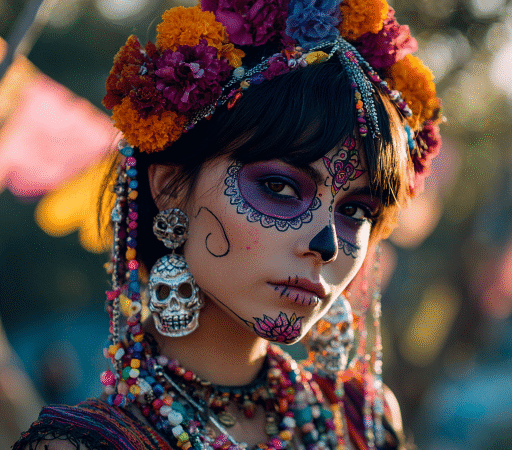
Understanding Día de los Muertos
Día de los Muertos, or the Day of the Dead, is a vibrant and significant celebration that originates from the ancient Mesoamerican cultures, particularly the Aztec civilization. This festival is deeply rooted in the belief that death is not an end, but rather a continuation of the cycle of life. It is observed primarily in Mexico and among Latin American communities, where it has evolved into a rich tradition that honors the memory of deceased loved ones.
The origins of Día de los Muertos can be traced back over 3,000 years, with influences from Indigenous peoples adapting to colonial changes introduced by European settlers. This melding of traditions has created a unique celebration that incorporates both indigenous practices and Catholicism, particularly the observance of All Saints’ Day and All Souls’ Day. The significance of the holiday lies in its ability to foster a connection between the living and the dead, allowing families to gather and reminisce about their departed relatives.
The celebration typically takes place over two days, on November 1st and 2nd, where families create altars, known as ofrendas, adorned with photographs, mementos, favorite foods, and flowers such as marigolds. These offerings are meant to welcome the spirits of the deceased back to the realm of the living, creating an atmosphere of joy and remembrance. Each country has its variations of the celebration; however, the central theme remains consistent—the honoring of deceased loved ones and the acknowledgment of the cyclical nature of life and death.
Día de los Muertos is not merely a somber event, but a vibrant and colorful expression of culture. This festival serves as a crucial aspect of Mexican identity, reflecting a profound respect for one’s ancestors and the continuity of familial bonds. Through various traditions across Latin America, the spirit of remembrance and connection prevails, highlighting the importance of honoring those who have passed.
How People Celebrate Día de los Muertos
Día de los Muertos, or Day of the Dead, is celebrated primarily in Mexico and among communities of Mexican heritage around the globe. This vibrant festival honors deceased loved ones, blending indigenous traditions with Spanish influences. Central to the festivities are elaborate altars known as ‘ofrendas,’ which are meticulously created to honor those who have passed away. Such altars generally feature photographs of the deceased, along with their favorite foods, beverages, and personal mementos. This symbolic act of remembrance serves as a means for families to connect with their ancestors and invite their spirits to join the celebration.
One of the key elements associated with Día de los Muertos is the use of sugar skulls, brightly decorated confections that represent the deceased. These skulls often bear the name of the departed, serving as a whimsical reminder of mortality. The marigold flower, known as ‘cempasúchil,’ is another significant symbol of this holiday. Its vibrant colors and strong scent are believed to guide spirits back to the world of the living. The petals are often strewn on altars or pathways leading to gravesites, further enhancing the connection between the physical and spiritual realms.
The celebration also includes various communal activities such as parades and street festivals that showcase traditional music, dance, and art. These lively gatherings foster a sense of community, bringing families and friends together to share memories and stories of their loved ones. In many regions, the lighting of candles is a cherished ritual, symbolizing the light that guides the spirits back home. Overall, Día de los Muertos is not merely a time for mourning but a vibrant celebration of life, love, and remembrance, emphasizing the importance of collective memory in maintaining cultural traditions.
Best Places to Celebrate Día de los Muertos
Día de los Muertos, or the Day of the Dead, is a vibrant celebration deeply rooted in Mexican culture, observed in various parts of the world. Among the best locations to experience this unique festival are Oaxaca and Mexico City, which are renowned for their elaborate traditions and colorful displays.
Oaxaca is often regarded as one of the most authentic places to celebrate Día de los Muertos. The city comes alive with vibrant parades, traditional music, and an abundance of beautifully adorned altars, or ofrendas. Visitors can explore the bustling markets filled with sugar skulls, papel picado, and marigolds. A visit to the local cemeteries is also highly recommended, where families gather to honor their loved ones with candles, food, and decorations, creating a heartfelt atmosphere filled with remembrance and love.
Mexico City presents a different yet equally captivating blend of traditions. The festivities here are marked by large-scale events, professionals in traditional attire, and some of the most intricate altars. The Zócalo, the capital’s main square, transforms into a magnificent site, featuring art installations and cultural performances. Engaging in the city’s memorable parades, where colorful floats and dancing performances provide a feast for the senses, is a must-do when experiencing this celebration in the capital.
In the United States, cities like Los Angeles and San Antonio host stunning Día de los Muertos events that celebrate Mexican heritage. In Los Angeles, the Hollywood Forever Cemetery organizes an annual event where attendees can enjoy live music, food vendors, and artistic displays. San Antonio’s vibrant markets and events at Hemisfair Park bring the spirit of Día de los Muertos to life, providing a mix of cultural exhibits and family-oriented activities. Regardless of where you celebrate, immersing yourself in the cultural richness of Día de los Muertos will surely create lasting memories.
The Importance of Día de los Muertos in Today’s Society
Día de los Muertos, or the Day of the Dead, has emerged as a significant cultural celebration that plays a pivotal role in contemporary society. Rooted in Mexican traditions, this observance is not merely about honoring the deceased; it serves as a profound reminder of the cyclical nature of life and death. In modern times, Día de los Muertos has gained unprecedented global recognition, transcending its regional boundaries and fostering cross-cultural exchanges that promote inclusivity and understanding.
The celebration emphasizes a healthier approach to discussing mortality, shifting the perspective from fear to acceptance. By commemorating loved ones who have passed away, individuals confront death in a way that highlights its naturalness, thereby enriching their appreciation for life. This transformation in the perception of death has resonated with many, making Día de los Muertos a vital avenue for dialogue around loss, grief, and remembrance in various societal contexts.
Educational initiatives have proliferated in recent years, aiming to teach the significance of Día de los Muertos not only to those of Mexican heritage but also to broader audiences. Schools, museums, and cultural organizations now host workshops and programs that delve into the history and practices associated with this celebration. Such efforts foster a greater understanding of the customs and rituals involved, including the creation of altars, the use of marigolds, and the preparation of traditional foods. Additionally, various conservation initiatives focus on preserving the intricate traditions associated with Día de los Muertos, recognizing its importance as an intangible cultural heritage.
Overall, the celebration has an enduring impact on current generations, as it actively encourages individuals to embrace and share their experiences regarding death and remembrance. Through these initiatives, Día de los Muertos continues to thrive as a vital cultural practice, steering societal discourse toward acceptance and recognition of death as an integral part of the human experience.
@traveltripdestinations Best Day Of The Dead Celebrations To Visit. Check out some of the best places to visit for the Day of the Dead celebrations. If you have never experienced the Dia De Los Muertos celebrations between November 1st and November 2nd, it is an experience everyone should check out. #diademuertosmexico #dayofthedead #dayofthedeadmakeup #travelingtheworld #dayofthedeadcelebration #solotraveling #mexicotravel #halloweenmakeup #halloween
♬ original sound – traveltripdestinations – traveltripdestinations